
If you’re starting out in affiliate marketing, the amount of jargon can feel overwhelming. Knowing the key terms helps you understand how things work, talk to partners, and make smarter decisions. Here’s a handy guide to the words and concepts every affiliate marketer will bump into sooner or later.
Core Affiliate Marketing Terms Explained
Affiliate marketing has its own language. The basics start with a few pillars:
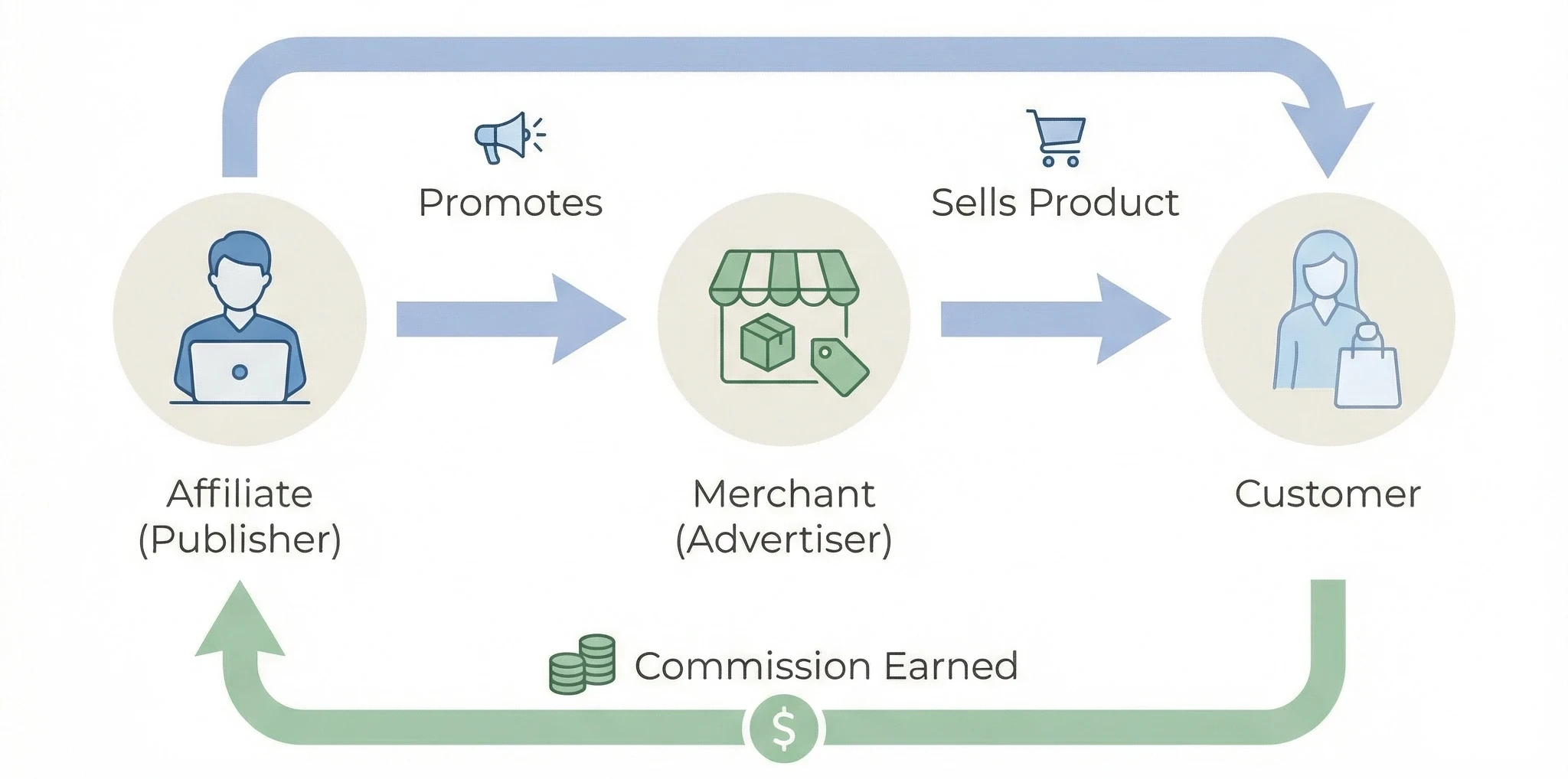
- Affiliate (Publisher): This is someone like me (or maybe you) promoting products or services in exchange for a commission on sales or leads.
- Merchant (Advertiser): The company or brand that owns the product and runs the affiliate program.
- Affiliate Network: A platform connecting affiliates and merchants, managing offers, tracking, and payments. Examples include ShareASale and CJ Affiliate.
- Offer: The product or service a merchant wants affiliates to promote. Offers include commission details, rules, and tracking info.
- Tracking Link: A unique URL that tracks the traffic or sales sent by an affiliate.
Once you know these basics, other parts of affiliate marketing become a whole lot clearer.
Commission Structures You’ll Run Into
Affiliate marketers get paid in different ways. Here are some common models:
- CPA (Cost Per Action): You earn money when a specific action is completed, like a sale or sign-up.
- CPL (Cost Per Lead): You get paid when you send a qualifying lead, for example when someone fills out a form or subscribes to a newsletter.
- CPS (Cost Per Sale): You earn a cut when your recommendation leads to a purchase, which is super common for physical products as well as digital ones.
- Revenue Share: You get a percentage of each referred customer’s total purchase or ongoing spend, especially for subscription services or software tools.
- Flat Fee: A single payment for referring a customer; this is sometimes used for services or memberships, or even product trials.
It’s really important to check the specific rules of every program before getting started. Each merchant might have slightly different definitions or requirements for their offers, so be sure to look closely at the details.
Traffic, Conversions, and Tracking Metrics
Understanding your performance gets easier when you know what the main numbers mean:
- Impressions: The number of times your affiliate links or ads are shown. Keeping an eye on impressions helps you spot how often your content is viewed.
- Clicks: How often people actually tap or click your link. This is the key starting point for any campaign’s success.
- Conversion Rate: The percentage of clicks that result in a desired action, like a sale or a download.
- EPC (Earnings Per Click): Your average earnings for every click you generate, giving you a quick sense of how well your links are performing overall.
- Cookie Duration: The time your affiliate tracking cookie “remembers” a visitor after they click your link. Longer cookie durations can mean more opportunity for you to earn credit for a sale if the customer returns later and makes a purchase.
Most affiliate dashboards now show these numbers in real-time, which makes tracking your progress a lot easier and helps you make adjustments on the fly.

Other Terms That Come Up a Lot
Here are a few more phrases that pop up pretty often:
- SubAffiliate: An affiliate you refer to the program, sometimes earning you a piece of their sales as well. This is a great way to build another stream of income from your efforts.
- Landing Page: The page your traffic first lands on after clicking your link. A well designed landing page can really give a boost to your conversion rate by matching what visitors are looking for.
- Attribution: The process that determines which affiliate gets credit for a sale if more than one was involved. Attribution models can affect your commissions, especially for popular products or competitive niches.
- Chargeback: A reversal of a commission, often because of a refund or dispute after the fact. These can occasionally happen, so it’s wise to be prepared for them in your income calculations.
- Disclosure: A statement letting your audience know you’ll earn a commission if they buy. This isn’t just good practice; it’s required by law in many places and helps build trust with your audience.
Where To Start With Affiliate Marketing
The best way to learn is to get your hands dirty, but knowing the basic terms definitely helps you get up to speed. If you’re looking for a solid foundation, check out introductory guides on affiliate marketing from trusted sources like Ahrefs and Moz. There are plenty of free resources, courses, and online communities where you can learn at your own pace, connect with others, and track down what niche or product feels right for you. Many successful affiliate marketers also recommend testing different strategies—try building a blog, a YouTube channel, or even a social platform presence to see what works best for your style and audience.
What Affiliate Terms Have You Come Across?
If you run into any terms that seem especially confusing, let me know in the comments. Whether you’re just getting started or already running campaigns, asking questions is a great way to learn, and your questions help others too. If there’s a specific concept you’d like broken down further or an advanced topic you want to get into, just shout it out!
Some great advice and it’s always good to know what all the terms mean when you are vesting time in affiliate marketing. I think that there are many more that also start coming up like autoresponder or long tail keyword that you learn as you are going along, but this is perfect for beginners that are starting out.
I would love to find more affiliate sites that pay per lead. There don’t seem to be many of those around anymore.
You’re right — once you get deeper into it, terms like autoresponder and long-tail keywords start popping up everywhere. It’s like learning a new language at first.
And yes, solid pay-per-lead programs are harder to find now. They’re still out there, but usually in niches like finance, insurance, education, or SaaS. The key is checking the tracking and payout terms carefully — some look great on paper but don’t convert well.
It might be worth doing a deep dive into networks that specialize in lead gen offers rather than general affiliate marketplaces.
This was a really helpful post, especially for beginners. I remember when I first got started, terms like EPC, CPA, and cookie duration sounded way more complicated than they really were, and it made affiliate marketing feel harder than it needed to be. Once I learned the basic language, everything started to click and I was able to make better decisions instead of just guessing.
I also liked that you explained things in a simple way without talking over people. The part about disclosure and tracking metrics is so important, because a lot of new affiliates focus only on “getting links out there” and forget to track what’s actually working. In my experience, learning the terms early saves a lot of time and helps you grow faster. This is the kind of post I wish I had when I was first learning.
I love that you said “once I learned the language, everything started to click” — that’s exactly it.
So many beginners think they’re bad at affiliate marketing, when really they just don’t understand the terminology yet. Once you know what you’re looking at, you stop guessing and start making decisions.
And yes — tracking > just throwing links around. Data removes emotion from the process.
I appreciate you sharing your experience. That’s how we make this space less confusing for the next person.
Great information! You have pulled together a concise list of different terminology used within affiliate marketing. This is a great start, and not too overwhelming for any beginner. I like how you made in introduction to some terms then further broke them down, with very good explanations for each term. I like how you are keeping everything consistent, with you layout style and images used throughout your posts. This reflects a level of professionalism. Keep up the great work!
I really appreciate that — thank you.
My goal is always clarity over complexity. There’s already enough noise in this space, beginners don’t need more confusion.
And I’m glad you noticed the consistency. I’m building this long-term, so clean structure and simple explanations matter to me.
Thanks for taking the time to share that — it means a lot.
This is such a helpful guide!
I love how clearly you break down all the key affiliate marketing terms from CPA, CPL, and CPS to EPC and cookie duration. For beginners, understanding these concepts really makes everything less overwhelming.
I’m curious about your experience. Which metric do you find is most important to track first when starting: clicks, conversions, or EPC?
Thank you — that means a lot.
Great question. When starting out, I focus on conversions first. Clicks are nice for ego, but conversions tell me if the offer and audience actually match.
Once I see consistent conversions, then I look at EPC to evaluate performance. Traffic without conversions is just noise.
Get one thing working first. Then optimize.
This is a solid breakdown, especially for beginners trying to make sense of all the terminology. When I first got into affiliate marketing, understanding the difference between CPA, CPS, and revenue share completely changed how I evaluated offers. It’s one thing to see a high commission rate, but once you start paying attention to EPC and cookie duration, you realize those numbers often tell a more accurate story about profitability than the headline payout.
I’ve also found that attribution models and chargebacks become much more important as you scale. Early on, they don’t seem like a big deal—but once volume increases, even small shifts in attribution or refund rates can materially impact monthly revenue. Have you considered adding a brief section on traffic quality and intent? In my experience, the same offer can perform completely differently depending on whether the traffic is organic search, email, or paid ads. That layer of context could really help readers think more strategically about how these terms translate into real income.
Love this take — especially the point about EPC and cookie duration telling the real story. A flashy commission means nothing if conversions aren’t there.
You’re also spot on about attribution and chargebacks. They feel irrelevant at the beginning… until they’re suddenly not.
And yes — traffic quality and intent absolutely deserve their own section. The same offer can look like a superstar with warm organic traffic and completely flop with cold paid ads.
That’s a great idea. I may need to expand this into a “Part 2” and go deeper into strategy.