If I had a nickel for every time someone told me affiliate marketing is “just passive income on autopilot,” I could probably pay for all the coffee I need to deal with these wild misconceptions. Maybe you’re here because you’ve heard the same stories, or maybe you’re just tired of sorting out what’s actually true. Either way, buckle up because I’m about to break down the most common myths about affiliate marketing, in real talk and without the sugar-coating.
Why People Get Affiliate Marketing So Wrong
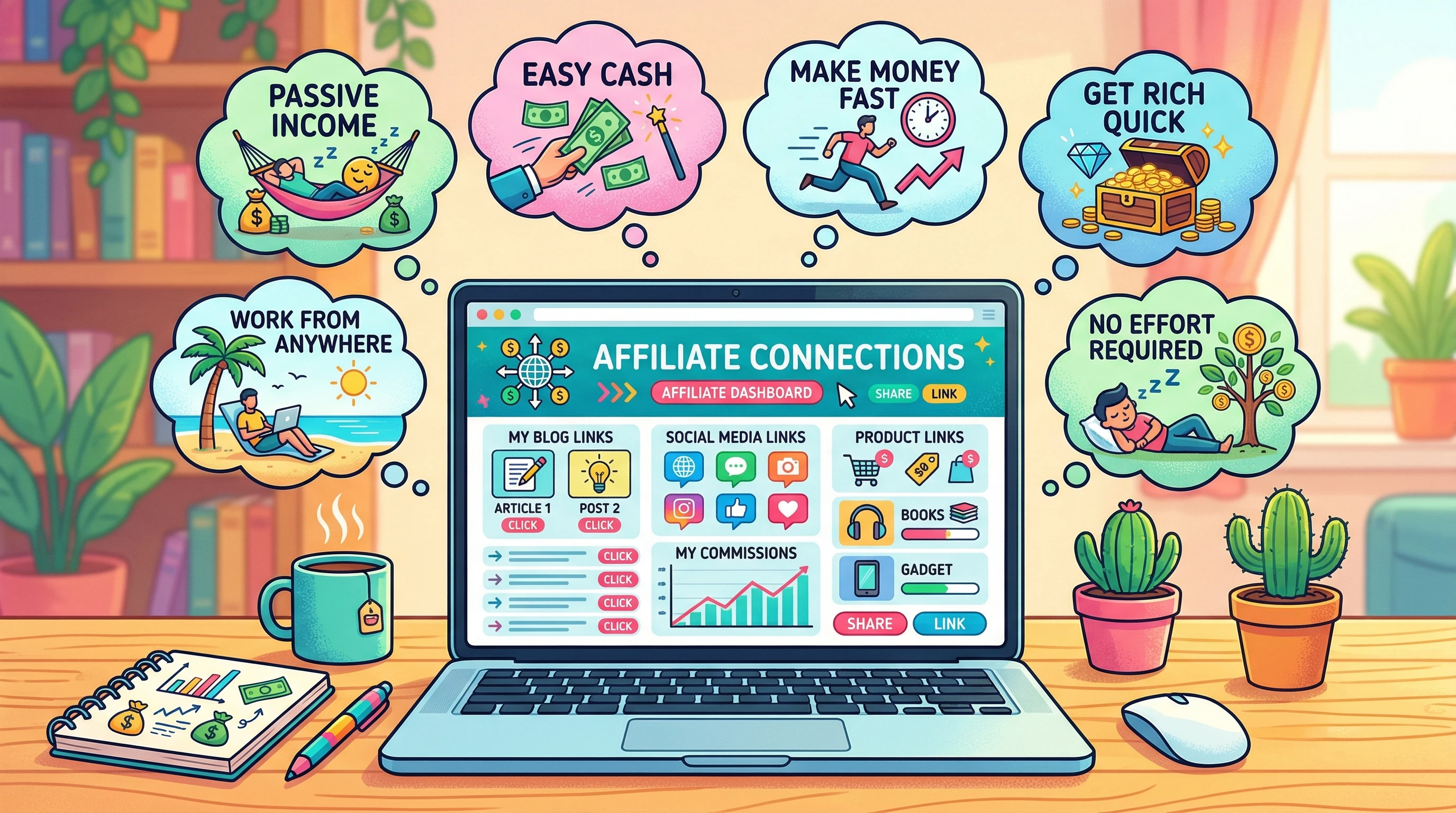
If you search for “affiliate marketing,” you’ll find hype, unrealistic promises, and a lot of very staged photos of people “working” from the beach. But let’s be honest: most of us can barely answer emails without our kids bugging us or the dog barking. The reality isn’t glamorous, but it can be worth it if you go in knowing the facts. Misinformation spreads fast, especially on TikTok and YouTube, and most newbies end up with the wrong picture before they’ve even started.
Affiliate marketing basically means you promote someone else’s product or service and earn a commission when a sale happens through your link. It’s so popular because you don’t need to create your own product, keep inventory, or manage customer service headaches. But it’s not easy cash; there are pitfalls around every corner. Building something that can last requires actual work and attention, not just slapping links everywhere.
A lot of this confusion sticks because affiliate marketing is super accessible, and the low barrier to entry makes it look simple. Remember, just because anyone can start doesn’t mean everyone will win big. The right info and honest expectations set you up for better results in the long run.

Main Misconceptions About Affiliate Marketing
“It’s Quick, Easy Money”
This one’s my personal favorite. Apparently, just adding a few links means you’ll wake up rich and retire next week. The truth? Anyone who’s made real money with affiliate marketing has put in a ton of time and effort, usually months or even years before seeing consistent income. It’s about testing, learning, tweaking, and promoting the right way. Overnight success? Not a thing here. If you want a better breakdown of actual timelines and work involved, this guide explains how affiliate marketing works in real life.
Effort pays off, but only if you’re willing to stay consistent. Even those claiming “overnight results” spent plenty of time learning the ropes before their lucky break. Everybody starts at square one, so don’t let big claims throw you off.
“You Need a Huge Audience to Succeed”
The only people who say this are those who’ve never built an email list or a niche website from scratch. A massive following helps, sure, but plenty of affiliate marketers do well with small but super targeted audiences. It’s about trust and relevancy, not follower count. I’ve seen folks with a couple thousand email subscribers out earn influencers with way bigger numbers because their niche is engaged and ready to buy.
- Micro-influencers can excel if their audience matches the product.
- Small blogs or YouTube channels focusing on specific topics can grow affiliate revenue with the right content.
Remember: an audience that matches a product’s value proposition trumps sheer numbers every time. It’s better to reach 500 engaged people than 50,000 who don’t really care.

“You Don’t Need Any Skills, Anyone Can Do It”
Can anyone technically give it a shot? Absolutely. Will anyone make a living from it? Not likely unless they’re open to learning: content writing, basic SEO, email marketing, and maybe even a sprinkle of graphic design. I still remember those rookie days when I thought “just write a quick review post.” Turns out, nobody was even finding my site because I didn’t understand SEO or keyword research. If you’re starting from zero, here’s a genuinely helpful step-by-step beginner guide.
The basics matter. Learning simple copywriting and how to communicate honestly sets you apart from the folks just pasting links and hoping for miracles. Even if your only skill right now is curiosity, that’s a solid start. Build from there and the rest will follow.
“It’s All Passive, ‘Set It and Forget It’”
Sure, content can keep earning for you while you sleep, but the upfront work is no joke. I wish I could say I just publish a post and then head off on a month-long vacation, but search engines change, products come and go, and links break. Keeping up with your site is a regular thing. Plus, doing a few updates or new posts now and then keeps your site relevant and ranking.
To keep earning, you have to check in on your content, refresh what’s outdated, and often update product links or offers. Stability comes from attention, and ongoing effort pays way better than set-it-and-forget-it strategies. Passive income is possible, but it’s built piece by piece over time—not overnight.
“Affiliate Marketing Is a Scam”
Some people lump in legit affiliate marketing with pyramid schemes or those “get rich quick” courses promising the moon. In reality, affiliate marketing is a straightforward business model used by companies like Amazon, Walmart, and hundreds of well-known brands. If you see someone hyping wild results with zero effort, just hit pause and remember: If it sounds too good to be true, it usually is. Even BigCommerce points out that for every overnight success story, there are thousands quietly stacking wins by staying consistent and ethical.
The business model is simple. If you hear otherwise, someone’s probably trying to sell you something sketchy. Stick with known programs and partners, and focus on long-term honesty over quick wins. The scam label only applies to shady tactics, not the whole concept itself.

Common Beginner Mistakes (And How to Dodge Them)
I’ve made plenty of embarrassing mistakes, and it’s only fair to pay it forward so you can avoid them. Here’s what I see trip up most newbies:
- Spamming affiliate links everywhere. It’s tempting, but nobody likes it. Build trust and offer real help.
- Picking random products with no research. If you wouldn’t use it yourself, don’t recommend it. Audiences can sniff out a fake from a mile away.
- Ignoring niches. Trying to please everyone means you help no one. Find a focus and stick with it.
- Skipping SEO. No one will find your site if you don’t learn at least the basics of search engines and keywords.
Even little things, like failing to disclose your affiliate relationship, can get you in hot water and damage your credibility. Always be clear with your audience about your intentions.
How I Recommend Starting Out
Start by picking a niche you actually enjoy (yes, even if it’s something weird or super specific). Create content that’s actually helpful, focus on products you’ve tried or believe in, and keep learning the basics of SEO and traffic. And if you want a no-nonsense community where you can learn for free, Wealthy Affiliate is worth checking out. There are no sleazy upsells, just training and tools you can use at your own pace.
Along the way, connect with others in your niche. Real relationships turn into honest recommendations, and that authenticity helps build an audience you can genuinely help (and profit from) for years—not just a quick score.
What Makes Affiliate Marketing Legit (or Not)
Affiliate marketing is just a way for companies to get more sales by having everyday people talk about their offerings. You send traffic to a product, and if someone buys through your link, you get paid a percentage. Easy to understand, tougher to master.
You’ll run into programs that promise wild commissions for weird products; usually a red flag. Reputable affiliate programs (think: Amazon Associates, Share-A-Sale, or even major retailers) are built on solid terms, clear payouts, and no crazy requirements. Look for honesty, clear communication, and reasonable expectations.
- Major brands run or partner with affiliate programs.
- Real affiliate marketers focus on integrity. They help, then sell.
- Passive income is possible, but only with effort, research, and the right expectations.
Hands down, programs that are upfront about their terms and don’t promise the world are your best bet. Avoid anything that pressures you to buy in or recruit others before you can actually start making money.
Frequently Asked Questions
Busting more myths for anyone who’s still not sure what’s real and what’s hype.
Is affiliate marketing legal?
Affiliate marketing is legal in most countries, as long as you disclose your relationships and follow advertising standards. Always check local laws so you don’t get in trouble.
How long does it take to make money with affiliate marketing?
Honestly, it can take anywhere from a few months to over a year before you see consistent income. People who stick with it, learn, and adapt see results faster. Patience is a big part of this business, especially when you’re just getting started.
Do I need a website to do affiliate marketing?
You don’t need a website; you can use social media, YouTube, or email. But having your own site gives you way more control and credibility. I’ve seen people thrive on TikTok, but a website sets you up long-term and lets you build authority in any niche you choose.
Can I do affiliate marketing with no experience?
Yes, as long as you’re willing to learn the basics. There are tons of beginner friendly resources out there (and a lot of junk, so choose carefully). The step-by-step guide here makes it really manageable.
What products can I promote as an affiliate?
Pretty much anything that has an affiliate program: software, clothing, fitness gear, pet supplies—you name it. Just make sure it fits your audience. Browse established affiliate networks like CJ Affiliate to see what’s out there. Stick with stuff that genuinely helps or interests your niche.
Final Thoughts
I get it; affiliate marketing sounds tricky, especially with all the outdated or flat-out wrong info floating around. If you’re up for putting in the effort, learning new skills, and not falling for wild promises, it can be a really rewarding income stream (even for us busy folks juggling all the things). Want more tips or encouragement? Come hang out in the comments. I’m always around to answer real questions and cheer you on. Remember, honest effort, realistic expectations, and a willingness to learn are your best tools for success in affiliate marketing.