Starting affiliate marketing with no experience might seem pretty intimidating at first. I remember feeling kind of lost, not knowing where to even begin or if I’d be able to really make money online. But after sticking with it and learning through trial and error, it’s clear that anyone can get the ball rolling. No technical knowhow or sales background is needed. In this beginner guide, I’ll break down the step-by-step process for how to start affiliate marketing with no experience, using tips and tools I wish I knew from day one.

What Is Affiliate Marketing and How Does It Work?
Affiliate marketing is a way to earn money online by promoting other people’s products or services. When someone buys using your unique link, you get a commission. You don’t need to make your own products, deal with customer support, or even have a website to get started. It’s basically about connecting people who want something with the companies that offer it, and you get paid for that connection.
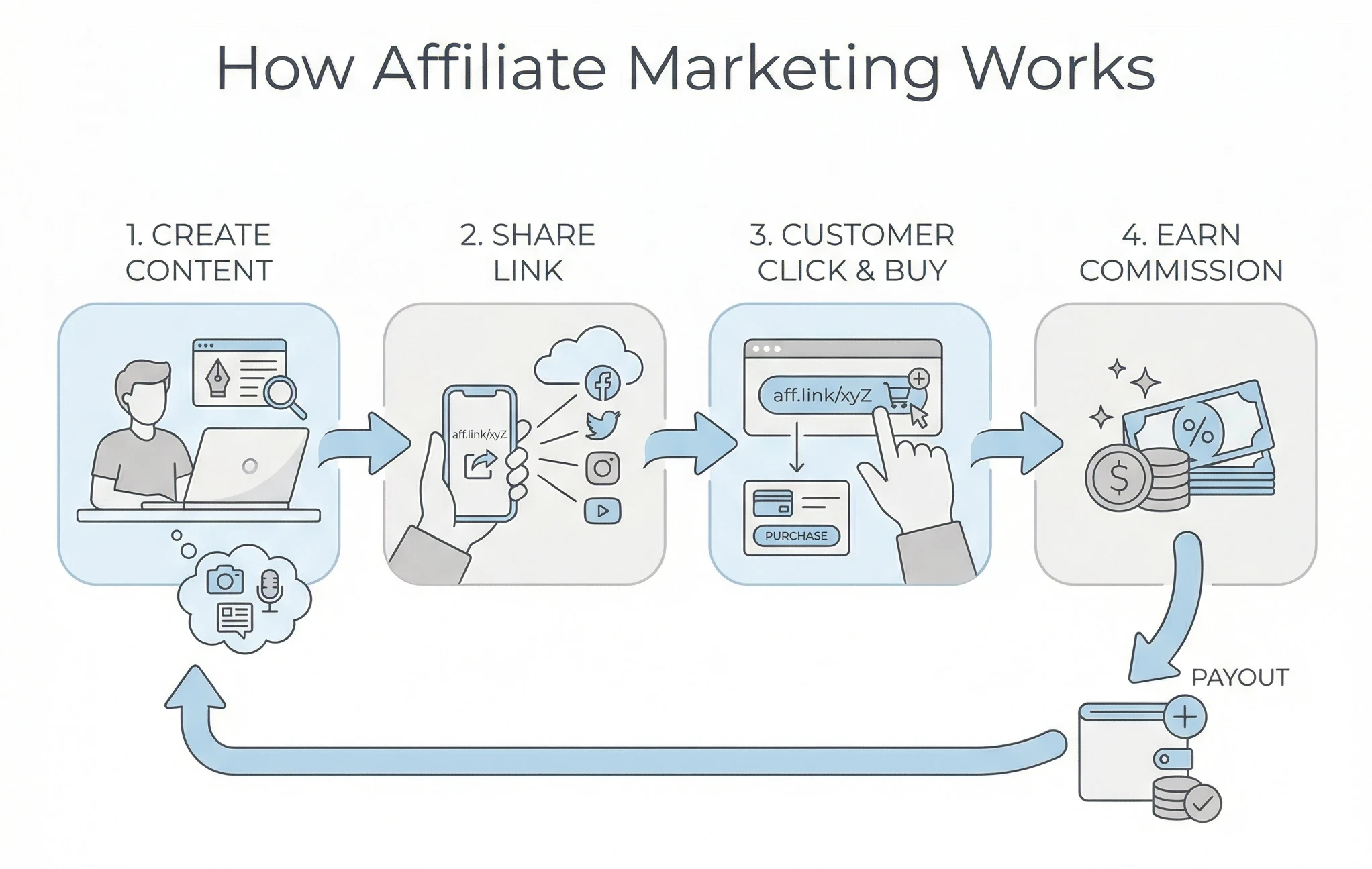
For a really simple breakdown, this is usually how it works:
- Sign up with an affiliate program for a brand, product, or online service you like.
- Get your unique referral link that tracks who comes through your marketing efforts.
- Promote the product using your link, on a blog, social media, email, or wherever you’re allowed.
- Earn a commission when someone clicks your link and buys or signs up.
Some people assume you need a bunch of technical skills, but trust me, you can get started even if you’ve never built a website or made a sale before. Programs like Wealthy Affiliate even offer everything in one spot, including training, hosting, and a supportive community.
How to Choose the Best Affiliate Niche for Beginners
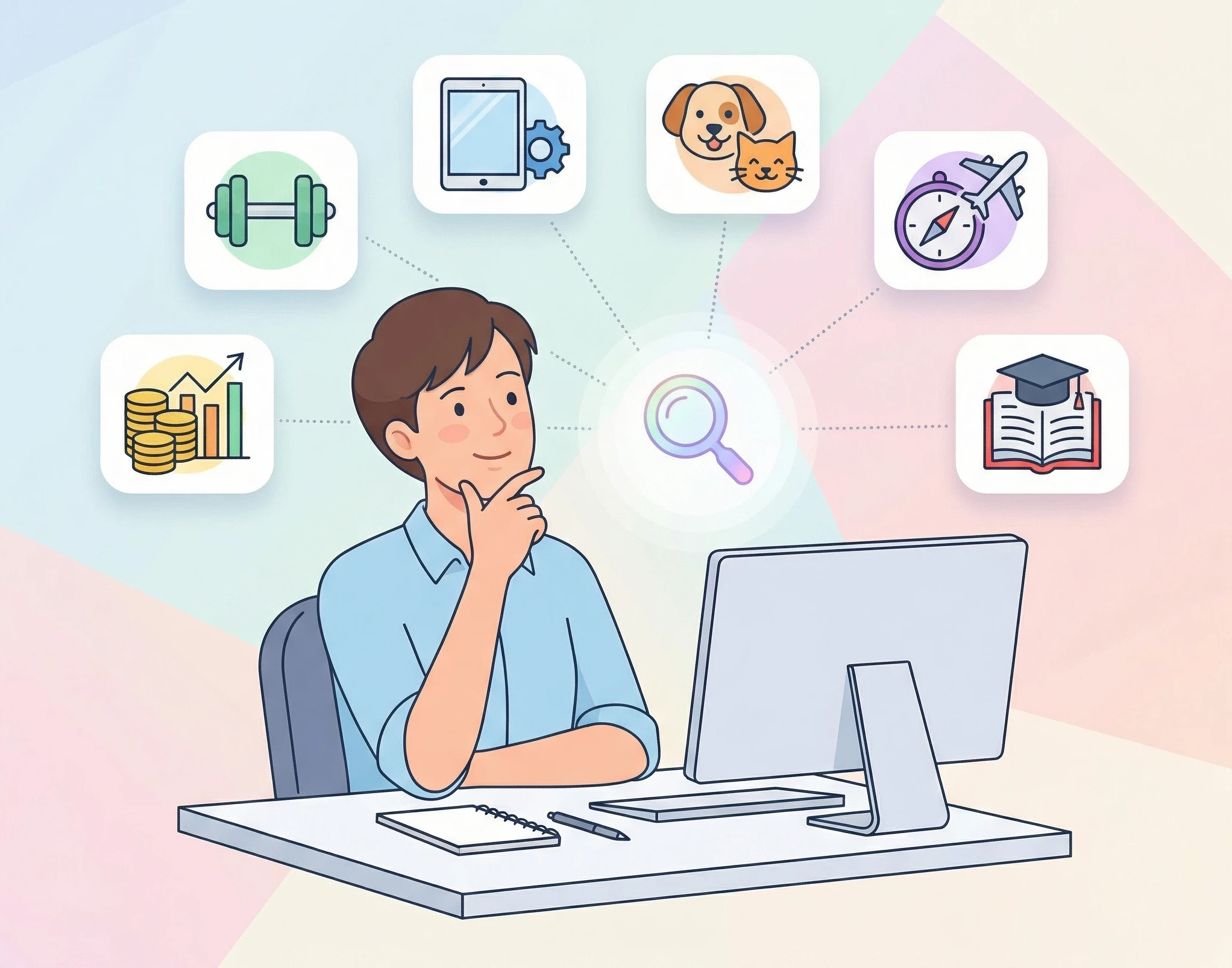
Picking a niche is one of the first, and honestly, one of the trickiest, decisions. A niche just means the topic or category you’ll focus your marketing efforts on, like travel, tech gadgets, fitness, or AI tools. Choosing carefully can help you stand out and build trust faster, even with zero background experience.
Here’s my go to advice for picking a beginner friendly niche:
- Look at your interests or hobbies. Promoting stuff you genuinely care about makes it easier to create content and stick with it.
- Check demand and competition. Use tools like Google Trends or keyword research to see what people are searching for, but avoid markets that are overloaded.
- Research affiliate programs. Make sure there are quality products with affiliate programs in your chosen niche.
- Think about longevity. Trends are fun, but evergreen niches (like health, finance, or education) usually hold up better over time.
The goal isn’t perfection — it’s choosing something you can consistently talk about while helping others.
Step-by-Step: How to Start Affiliate Marketing With No Experience
Jumping in head first works for some, but a step-by-step plan made things run a lot smoother for me. Here’s exactly how I’d recommend you start, especially if you’re new to all this:
- Pick your niche and platforms. Decide on your main topic and where you want to promote (blog, YouTube, Instagram, TikTok, etc.). Starting with one platform is usually easier for beginners.
- Sign up for reputable affiliate programs. Some popular beginner platforms are Amazon Associates, ClickBank, or ShareASale. Look for brands with solid reputations and easy approval processes.
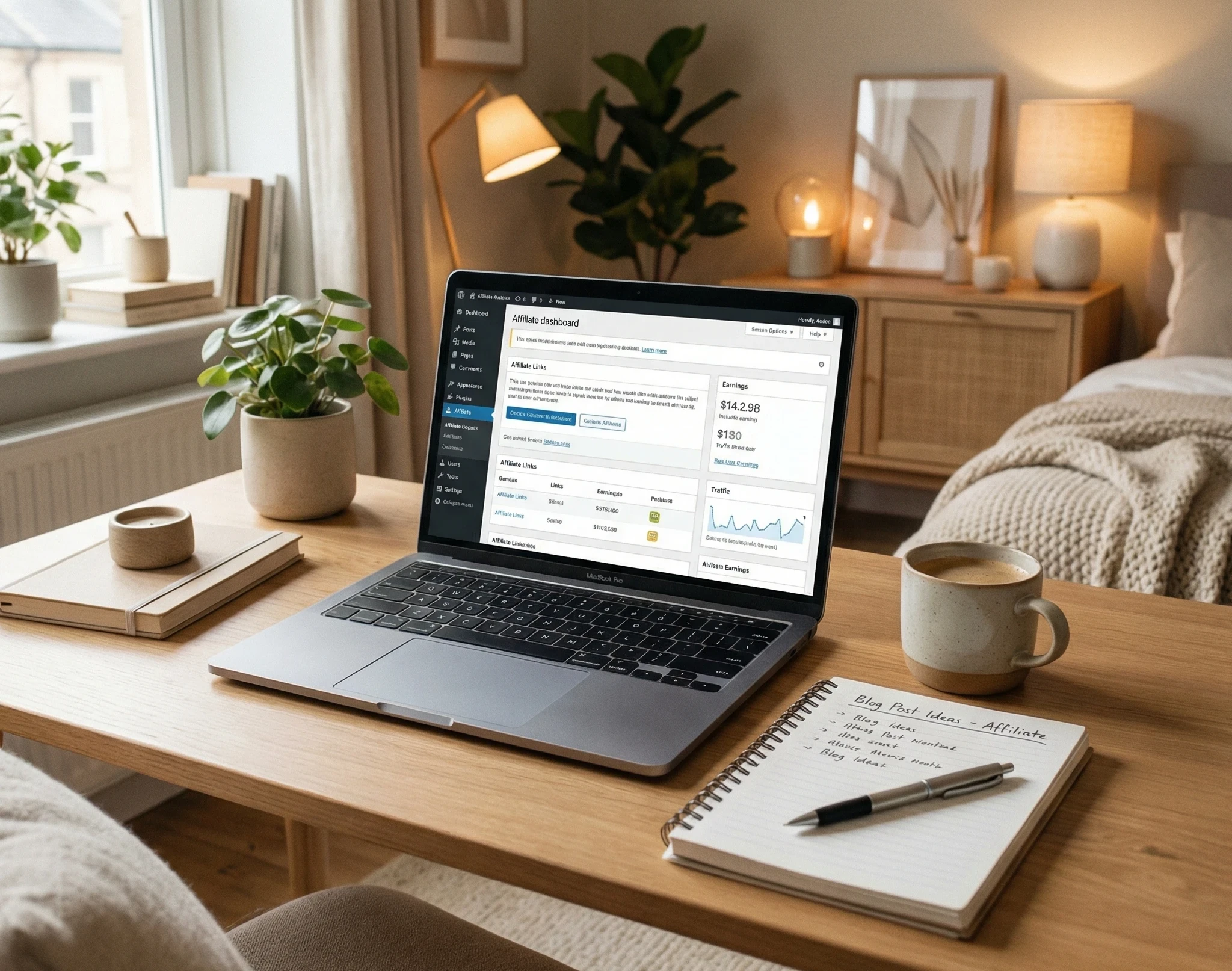
- Set up your “home base.” For most newbies, that means starting a simple blog or website. A basic WordPress site is often the way to go. Wealthy Affiliate has hosting, site builders, and training, so it’s worth checking out. If a website feels like too much, you can start with social media or even a free platform like Medium.
- Add your affiliate links (properly disclosed). When you mention products or services, add your affiliate links and include a quick disclosure that you earn a commission, which is super important for trust and transparency.
- Create content that helps. Whether it’s a review, how to guide, or comparison post, always focus on helping your audience make a decision rather than just selling.
- Get traffic to your content. Share your posts on social media, try basic SEO strategies (like using keywords people are searching for), and join relevant online groups. Traffic takes time, but consistency adds up.
- Watch what works and tweak as you go. Use simple analytics (like Google Analytics) and keep an eye on which posts are getting clicks or sales. Double down on what’s working and adjust what isn’t.
Common Challenges for Affiliate Marketing Beginners (and How to Tackle Them)
Starting out comes with a few bumps in the road, but knowing what to expect definitely helps. Here are some hang ups most new affiliate marketers run into, along with some ways to push through:
- Getting approved for programs: Some brands like to see a busy website or decent follower count before accepting affiliates. If you get turned down, try different programs or start with those known for beginner friendly policies.
- Making your first commission: That first sale usually takes longer than you expect. Stay patient, keep learning, and keep testing different content angles.
- Traffic struggles: If you’re not getting visitors, review your keywords, improve your headlines, or share on different social channels. Teaming up with others in your niche is pretty handy too.
- Balancing authenticity and promotion: It’s tempting to go heavy on the selling, but adding real value and honesty builds trust much faster, and that usually leads to more sales over time.
Remember, setbacks are just part of the learning curve. If you ever feel stuck, reach out to online communities or mentors. Plenty of folks are happy to give feedback or point you in the right direction. Persistence is key in affiliate marketing, especially when you’re just getting your footing.
Choosing the Right Affiliate Programs for Beginners
 There are tons of affiliate programs out there, ranging from massive marketplaces like Amazon to niche specific ones for things like AI tools or software. My advice:
Not all programs are equal. When evaluating options, consider:
- Do you understand the product?
- Does it solve a real problem?
- Are commissions fair?
- Are payouts reliable?
- Is support available?
Recurring commissions and higher-ticket products can significantly increase income potential over time.
Basic Tools and Resources for Getting Started in Affiliate Marketing
You don’t need a lot of equipment or fancy software to start affiliate marketing, but a few core tools help new marketers build confidence and reach results with less fuss. Here’s what I recommend:
- Website builder or blog platform (like Wealthy Affiliate)
- Keyword tool (even Google’s free Keyword Planner does the job for basics)
- Email marketing tool (free plan like Systeme.IO work to build a list early)
- Simple graphics tool (Canva is my pick for easy visuals, even for non designers)
- Link management/shortener (Bitly or a WordPress plugin to tidy up your affiliate links)
Platforms like Wealthy Affiliate make it easy to get all this under one roof, plus guidance and support from people who’ve been through it before. You can check my full review here if you want the inside scoop on how it works for beginners.
Don’t forget about extra free resources out there. YouTube channels, podcasts, and social groups can answer your questions in real time and showcase new approaches. The more you learn from others’ experiences, the quicker you’ll dodge common mistakes and find your groove.
What Type of Content Works Well for Affiliate Marketing?
The most successful affiliate marketers tend to offer real value before ever asking for a sale. Here’s some content I’ve found super useful for both building trust and attracting steady commissions:
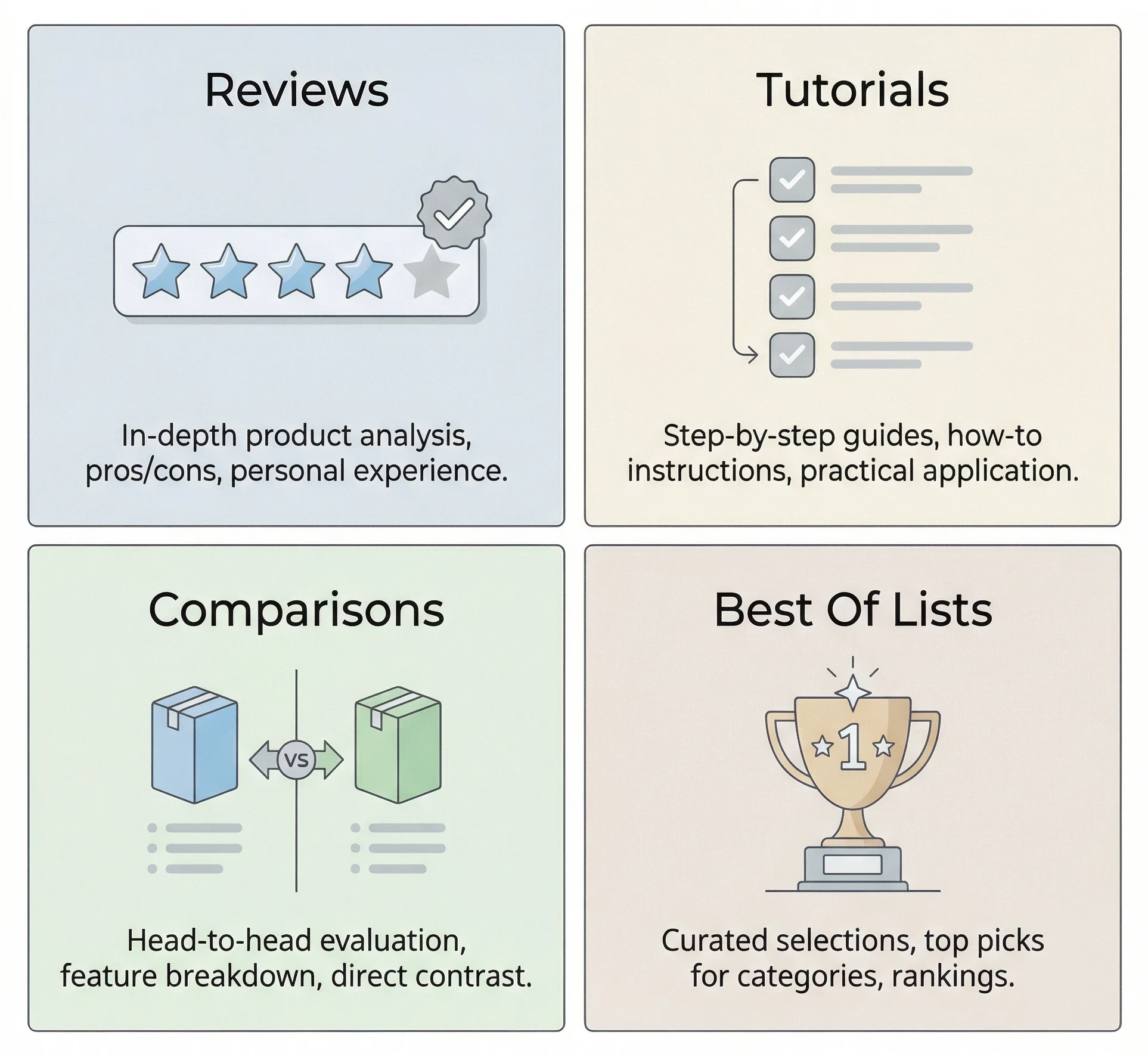
- Product reviews: Honest insights and personal experiences help people decide what to buy. Share your pros, cons, and who you think a product is best for.
- How to guides: Walk through problems your target audience faces and recommend affiliate solutions as part of the fix.
- “Best of” lists: Round up several products, tools, or services with pros, cons, and comparisons to help readers weigh their options.
- Personal stories: Share real life results (big or small) from using a product or service.
- Video tutorials: If you’re up for it, video content can boost trust quickly and usually converts really well.
 Podcasts and quick tips on social platforms can give you a chance to reach people who like shortform content. Even sharing behind the scenes moments or customer feedback on your platform can build trust and add personality to your content.
FAQs: Starting Affiliate Marketing With No Experience
I get these questions from newbies a lot, so here are some straightforward answers to make starting out a lot less confusing:
Is affiliate marketing legit, and can I actually make money?
Yes, affiliate marketing is totally legit. Plenty of people (myself included) make regular income this way. Income varies, but even small commissions stack up quickly if you stick with it.
How long does it take to see results?
Getting that first sale often takes a few weeks or even a couple of months. It usually speeds up as your content and traffic grow, so try to stay consistent and patient during the early days.
Do I need a website to start?
No, but having one helps you rank in search engines and look more credible. Some affiliates succeed just using platforms like YouTube or TikTok, but I always encourage setting up your own simple website eventually.
Wrapping Up: Your Next Steps in Affiliate Marketing
Getting started with affiliate marketing as a total beginner is honestly doable for anyone with some determination and a little guidance. Focus on helping your audience first, pick a niche and platform that excite you, and keep learning as you go. Mistakes and slow spells are part of the process. What matters is staying consistent, tracking what works, and putting value first.
If you want an easy launch pad, I highly recommend reading the main getting started guide or checking out beginner friendly courses where you can learn step-by-step alongside other newbies.
Jump in, experiment, and don’t be afraid to ask questions. That’s how you learn, and that’s how you start making your first affiliate income from scratch.
I liked how this guide focuses on taking simple first steps instead of trying to do everything at once, because that’s usually where people get stuck. I’m already trying to apply some of these ideas, and it really helps to see the process broken down clearly. I’m curious — when starting with no experience, would you recommend publishing a few basic posts first or waiting until the site feels more complete? I think many beginners worry about starting too early.
Great question — that “I’ll start when it’s ready” feeling traps a lot of beginners.
Personally, I’d publish a few basic posts as soon as you can. A site never really feels complete anyway, and waiting for perfection just delays the learning that only happens once things are live. Early posts are like practice reps — they help you figure out what works, what you enjoy writing about, and what your audience responds to.
You can always improve, update, and expand later (most successful sites do exactly that). Starting early also lets search engines begin indexing your content sooner, which is huge for long-term growth.
So I’d say: simple, helpful, and live beats perfect and unpublished every time.
Great article! Your guide is an excellent roadmap for a total beginner because it removes the “gatekeeping” often found (sadly) in many digital marketing offerings. By breaking the process into logical phases, from niche selection to traffic generation you make the prospect of earning online feel achievable rather than overwhelming.
Also the video walk through help a beginner see exactly how to set up their first affiliate links and choose a profitable niche.
Thank you — I really appreciate that. The goal was exactly that: to make the process feel doable instead of intimidating. There’s so much noise (and overcomplication) in this space that a clear path can make all the difference when you’re just starting out.
I’m glad the video walkthrough helped too — sometimes seeing the steps in action removes a lot of the uncertainty that written instructions alone can leave behind. Wishing you lots of success as you get your first links and content out there!
This was a very relatable and helpful guide, especially the way it walks beginners through the process without making it sound overly technical. I remember feeling the same way when I first started—confused about niches, unsure which platform to use, and wondering if affiliate marketing was actually something I could do. What really stood out to me here is the emphasis on starting simple and focusing on helping people first. That shift alone makes a huge difference, because once you stop chasing quick sales and start creating useful content, things begin to click.
I also liked the realistic advice about challenges like getting traffic, getting approved for programs, and waiting for that first commission. That part is so important because a lot of beginners quit too early. In my experience, consistency and patience are what separate the people who eventually succeed from the ones who give up. The section on content types was spot on too—honest reviews, how-to posts, and personal stories have always worked best for building trust. Overall, this is a strong beginner-friendly post that gives people a clear path forward and the confidence to get started.
I appreciate this — especially the part about beginners quitting too early. That’s exactly why I’m honest about the slow start.
Affiliate marketing isn’t hard because it’s complicated. It’s hard because it requires patience.
And you nailed it — once you shift from “How do I make money?” to “How do I help?” everything changes. Trust builds first. Commissions follow.
Thank you for sharing your experience. That kind of perspective helps new readers realize they’re not alone in the messy beginning.
A very good step-by-step guide for an absolute beginner. They layout has a very good flow to the information that makes it so easily understood. I like that this post shows your thoughtfulness in understanding who your target audience is. Your images so a consistency in your message and flow with the information. I like your subtle links to WA, please take a look at your “Full Review Here” link, it leads nowhere. Your Review here would be a valuable asset to your reader.
I like your post, very neat and conveys so very valuable information! Keep up the great work!
Thank you — I really appreciate you catching that.
That “Full Review Here” link definitely shouldn’t be leading to nowhere. I’ll fix that right away. Broken links are not the vibe.
And I’m glad the flow and structure are landing well. I’m intentional about keeping things clean and beginner-focused — no fluff, just clarity.
Thanks for taking the time to give thoughtful feedback like this. It truly helps me improve.
I love how you break down affiliate marketing for complete beginners. The step-by-step approach makes it feel achievable, even for someone with no experience. I especially agree that focusing on helping your audience first is key to consistency, and value always pays off.
I’m curious, for someone completely new, would you suggest starting with a single platform like a blog or YouTube first, or trying multiple platforms from the beginning to see what works best?
Thanks for sharing such practical tips!
Thank you — I’m glad it felt doable. That’s always the goal.
For someone brand new, I suggest starting with one platform first. Master one. Learn how traffic works. Learn how offers convert. Build the habit.
Trying to juggle a blog, YouTube, TikTok, and email all at once usually leads to burnout… not momentum.
Once one platform starts working, then expand. Depth before width.